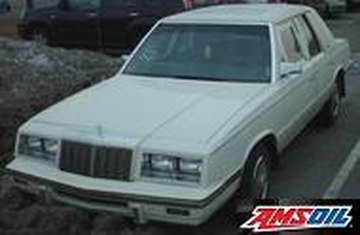
Engine Lubrication and Maintenance for the 1982 Chrysler LEBARON 2.2L
Maintaining a vehicle from the early 1980s requires a shift in perspective compared to modern automotive care. For owners of a 1982 Chrysler LEBARON equipped with the 2.2L engine, routine service is not just about following a schedule; it is about monitoring the physical condition of aging components and ensuring that lubrication remains effective despite the passage of time.
Monitoring Fluid Integrity and Potential Seepage
As vehicles age, the materials used in gaskets and seals can undergo changes in elasticity. For the 1982 Chrysler LEBARON, a primary component of routine maintenance involves regular visual inspections for any signs of fluid seepage or leakage. Rather than waiting for a visible puddle to form under the vehicle, an owner should periodically inspect the engine area for dampness or residue around sealing surfaces.
When performing these checks, look for several indicators:
- Surface Residue: A film of oil or fluid on the exterior of the engine block or near various connection points can indicate a slow seep.
- Color and Consistency: If any fluid is found, its color and texture can provide clues about its origin. For example, dark, viscous fluids are typically associated with engine oil, while lighter or differently colored fluids may belong to other systems.
- Accumulated Dirt: Areas where oil has seeped often attract dust and road grime, creating a thick, dark paste that is a clear sign of a slow leak.
It is important to note that finding a small amount of seepage does not always indicate an immediate failure, but it does warrant closer monitoring to ensure the issue does not escalate into a significant leak.
Observing Changes in Engine Performance and Lubricant Condition
Beyond visual inspections for leaks, owners should remain attentive to how the vehicle behaves during operation. Changes in the way the engine sounds or runs can sometimes be associated with lubrication issues. While symptoms can have many different causes, certain observations should prompt a more thorough investigation.
An unusual mechanical noise, such as increased tapping or clicking that was not previously present, may indicate that the lubrication is not reaching all necessary components effectively. Similarly, if you notice an increase in lubricant consumption—requiring more frequent top-offs than usual—this warrants an inspection of the engine's seals and internal components. If any unusual odors are detected during or after driving, such as a smell of burning oil, it may indicate that fluid is contacting a hot surface. In all these instances, a professional diagnosis is recommended to identify the specific cause.
Prioritizing Maintenance Based on Current Condition
For an older vehicle like this 1982 Chrysler LEBARON, maintenance priorities should be dictated by the actual condition of the machine rather than just its age. If you are stepping into ownership without a complete service history, establishing a baseline is a logical first step.
This process involves reviewing any available repair records and then performing a comprehensive inspection of all fluids and wear items. If documentation is missing, treat the vehicle as if it needs a thorough assessment. Focus on addressing active concerns—such as visible leaks or noticeable changes in fluid color—before moving on to purely preventive measures. By distinguishing between necessary repairs and elective maintenance, you can manage the upkeep of the 2.2L engine more efficiently.
Keeping a detailed log of all completed services, including the dates and the specific products used, is highly beneficial for long-term ownership. This record helps you track patterns, such as how quickly certain fluids are consumed or how often specific components require attention, allowing for more informed decision-making in the future.
Inspecting Auxiliary Components
While engine oil is a primary focus, other parts of the engine compartment deserve regular attention to ensure overall system health. If equipped, accessible drive belts should be inspected for signs of deterioration such as cracking, glazing, or fraying. These components are subject to heat and tension, which can cause them to become brittle over time.
Similarly, if the vehicle is equipped with various hoses, these should be checked for softness, swelling, or hard spots. Any evidence of leaks around hose connections or clamps should be addressed promptly to prevent unexpected fluid loss. Maintaining a clean engine bay also makes it significantly easier to spot new leaks or issues as they arise.
Selecting the Right Lubricant Formulations
When considering different types of engine oil, it is helpful to understand what various formulations offer. While many modern vehicles utilize specific synthetic requirements, an owner of a 1982 Chrysler LEBARON has several options depending on the current state of the engine.
Conventional oils are widely available and provide standard lubrication. Synthetic oils and synthetic blends are engineered for different thermal properties and may offer better resistance to oxidation and deposit formation. For engines that show signs of aging, some high-mileage oil formulations contain additives intended for use in aging engines. Some high-mileage formulations include seal-conditioning additives, which may assist in maintaining the integrity of older seals.
Regardless of the formulation chosen, always ensure the product meets the appropriate API certification to guarantee a baseline level of quality and performance. The specific requirements for your engine should always be verified against the application information provided on this page.
Practical Advice for BUYING ENGINE OIL for your 1982 Chrysler LEBARON 2.2L
When you are ready to purchase new lubricant, the most important step is to match the oil to the specific application information already displayed on this webpage. Do not rely on general automotive knowledge or assumptions based on the vehicle's age to determine which grade to use.
Before completing your purchase, follow these practical steps:
- Verify Viscosity: Match the engine oil to the application-specific viscosity information shown above on this page.
- Check the Label: Always read the product label carefully to ensure it meets the necessary API service categories.
- Consider Formulation: Based on your vehicle's current condition and your maintenance history, you may choose between conventional, synthetic blend, or full synthetic options, as well as high-mileage formulations if appropriate for your engine's needs.
- Avoid Assumptions: Never assume a modern oil grade is the original requirement; always use the data provided in this specific application guide.